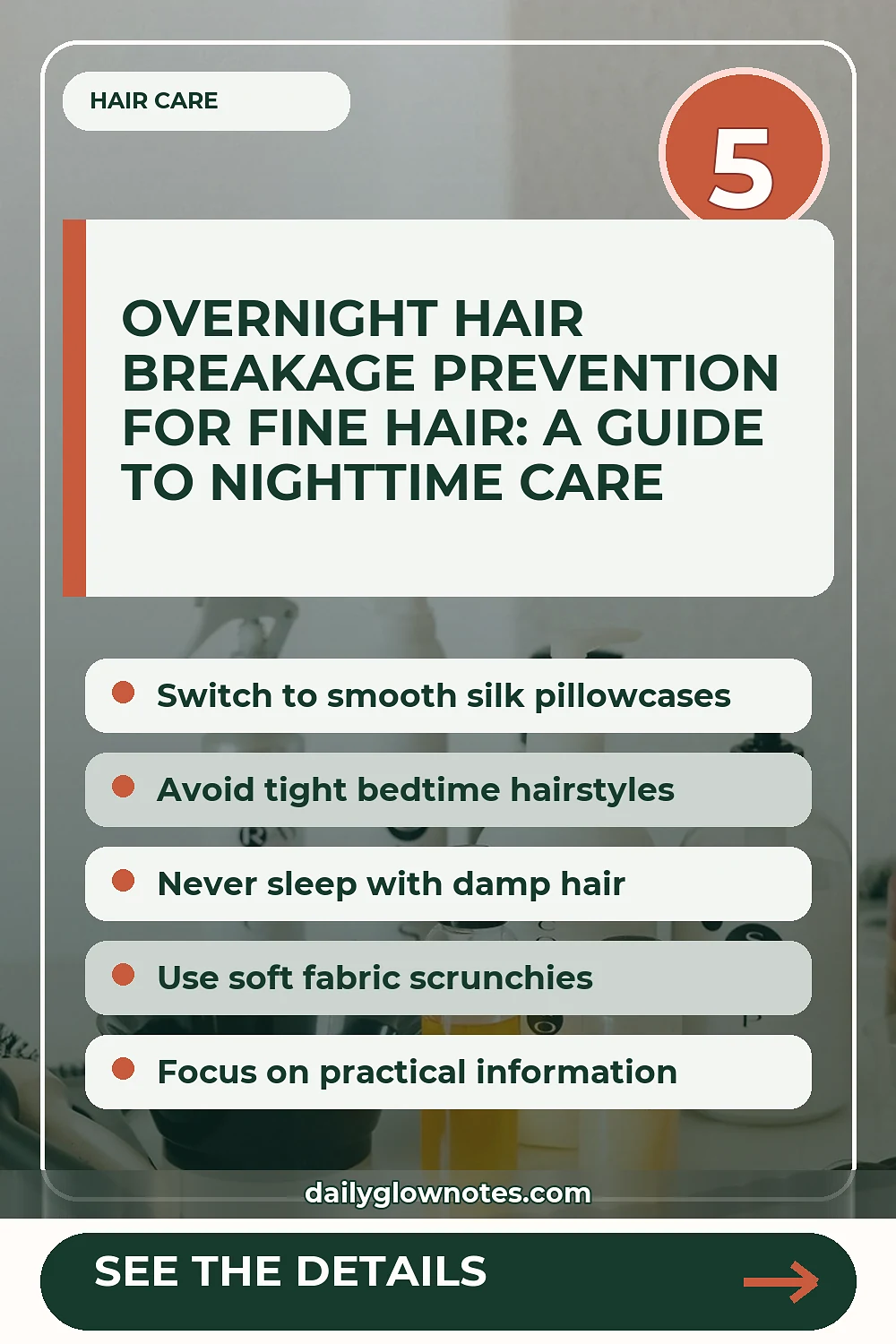

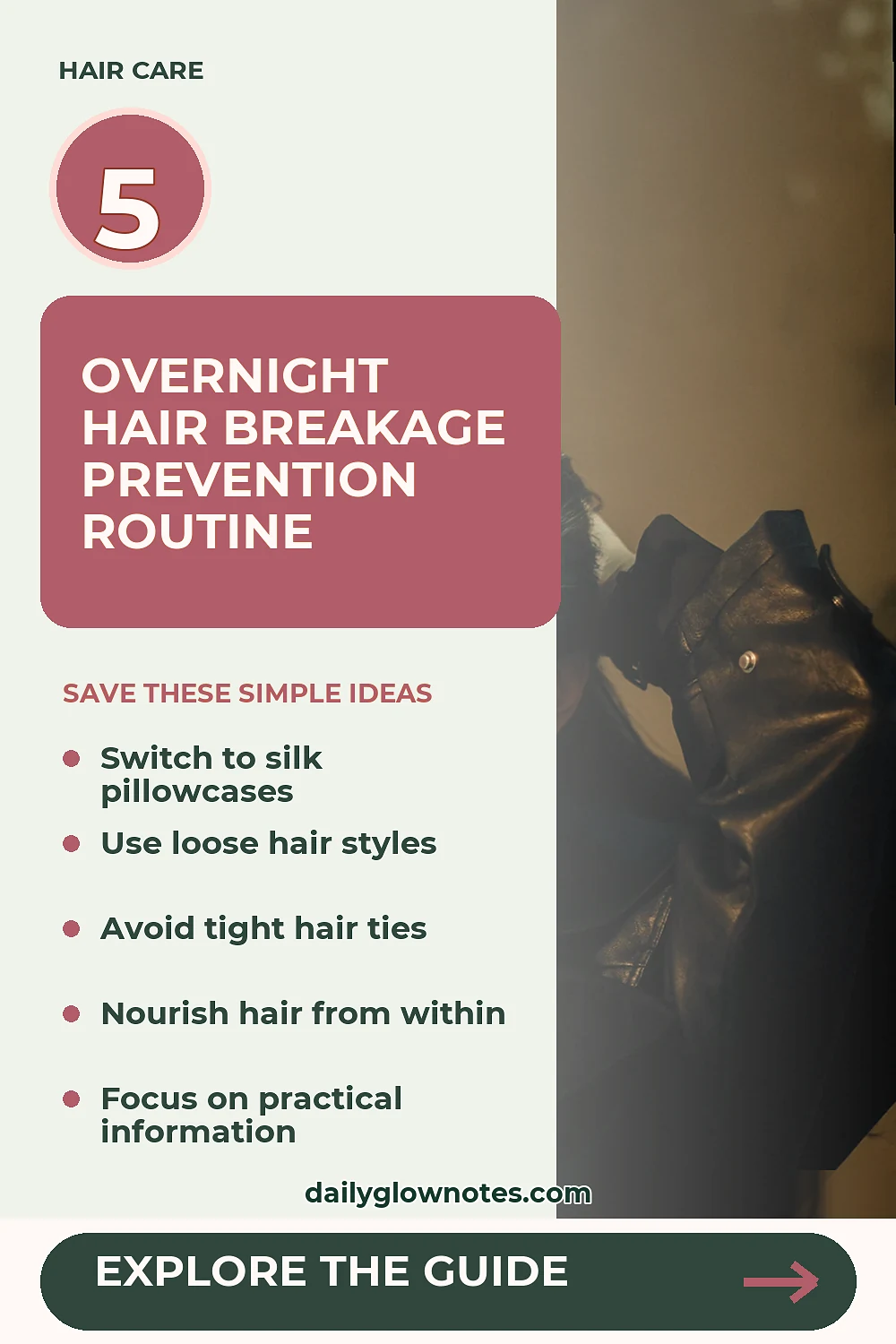
Fine and thinning hair requires a completely different approach to nighttime care compared to coarse or thick textures. While you sleep, restless tossing and turning creates constant mechanical stress against your pillowcase. Over time, this repetitive friction leads to unexpected strand snapping, frayed cuticles, and increased shedding that seems impossible to stop. If you have ever woken up to a pillow strewn with broken hairs or noticed your ponytail feeling thinner by the month, your evening routine might be the hidden culprit.
Understanding Overnight Mechanical Breakage on Fine Strands
Developing an effective overnight hair breakage prevention routine starts with evaluating the physical forces acting on your strands while you rest. Standard cotton pillowcases absorb natural moisture from your hair and create micro-friction that catches on fragile cuticles. Combined with tight elastics or improper positioning, sleep can inadvertently undermine your daily efforts to maintain strong, resilient hair. Understanding how your hair reacts to these nightly pressures is the first step toward building a healthier routine that protects your delicate strands from unnecessary stress. When fine hair experiences hours of friction against abrasive fabrics, the outer protective layer of the cuticle degrades, leaving the inner cortex exposed and prone to irreversible snapping.
Evaluating Your Pillowcase and Surface Friction
The surface your hair rests on for seven to eight hours every night plays a massive role in overall strand integrity. Traditional woven cotton creates significant drag, acting like tiny Velcro hooks that grip fine, low-density hair and cause it to snap under minimal tension. Upgrading your sleeping environment is a simple yet transformative shift for fragile hair wellness.
Switching to a smooth, high-grade mulberry silk or satin pillowcase allows fine strands to glide effortlessly across the surface instead of catching and tugging. This simple adjustment minimizes friction, preserves your natural moisture balance, and prevents the rough cuticle lifting that leads to morning frizz and breakage. Furthermore, silk does not absorb natural oils and nighttime treatments the way cotton does, ensuring your hair retains optimal hydration levels until morning. If you enjoy winter accessories, remember that daytime friction also matters; check our guide on shielding fine hair from wool scarf friction and winter snapping to protect your strands around the clock.